

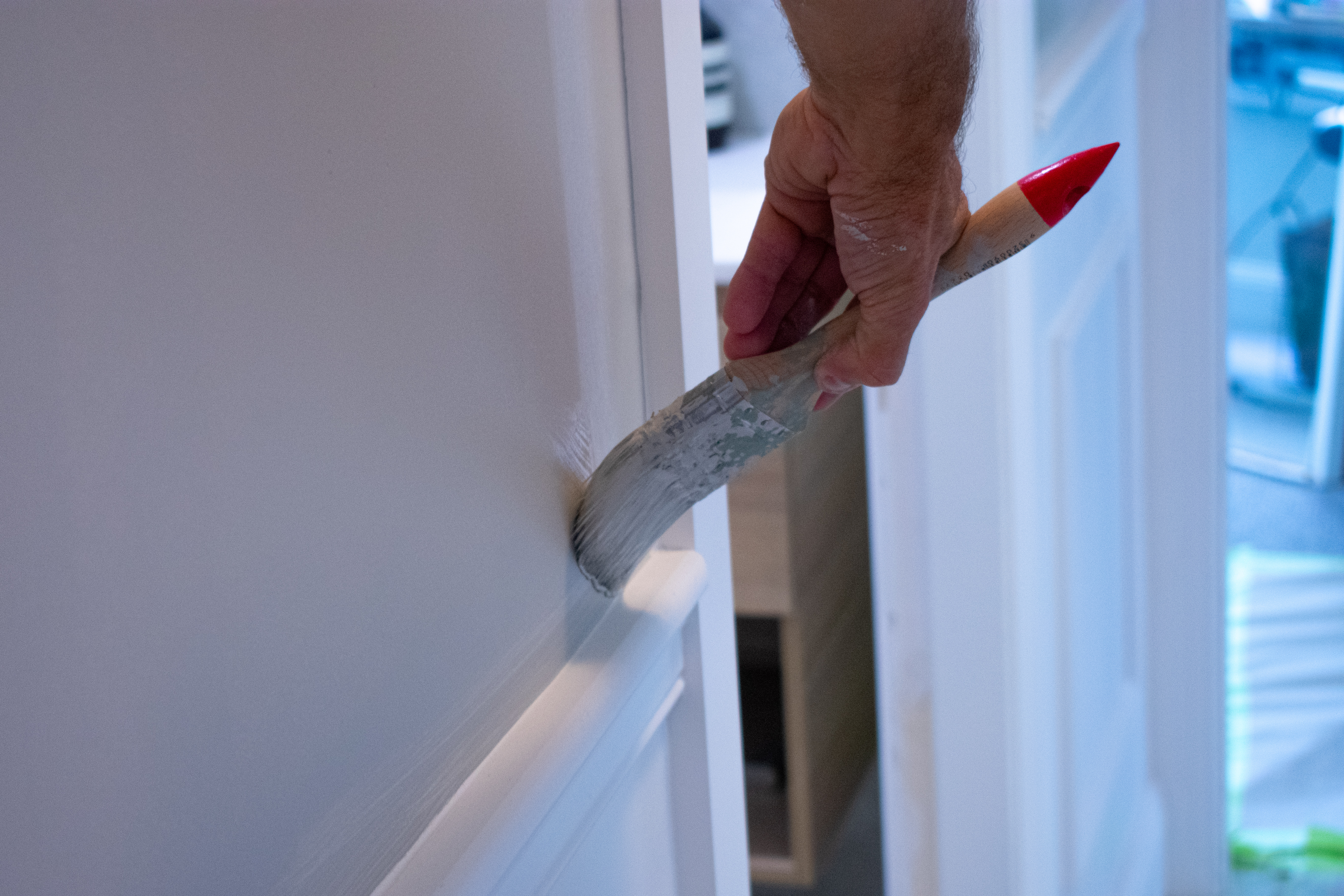
It's the first question almost every homeowner asks — and the honest answer is "it depends." But that's not very helpful when you're trying to budget. So in this guide we'll explain exactly what drives the cost of house painting in Sydney, share realistic price ranges, and show you how to compare quotes so you can invest with confidence.
There's a common misconception that all painting quotes are roughly comparable, and that the lowest number is the best deal. In reality, two quotes for the "same" job can differ enormously — because they're often not the same job at all. Understanding what sits behind the price is the single most useful thing you can do before you commit.
The Short Answer
As a broad guide, professional house painting in Sydney typically ranges from $3,000–$8,000 for interior repaints of an average home, and $8,000–$20,000+ for full exterior projects, depending heavily on size, condition and access. Whole-home interior and exterior packages on larger North Shore and Eastern Suburbs properties can run higher again.
Those are deliberately wide ranges, because the variables matter more than the averages. Let's look at what actually moves the number.
What Drives the Cost of House Painting
Seven factors do most of the work in any painting quote:
1. Size and surface area
The more wall, ceiling and trim there is to cover, the more paint and labour required. Quotes are usually built around measured surface area rather than simple room counts.
2. Surface condition and preparation
This is the big one. Cracked render, peeling paint, water damage, gaps and old flaking coatings all need to be repaired before painting. Preparation can account for a substantial share of the total — and skipping it is the most common reason finishes fail early.
3. Interior vs exterior
Exterior work involves weather exposure, height, access equipment and more robust products, so it generally costs more per square metre than interior work.
4. Access and height
Multi-storey homes, steep blocks and hard-to-reach facades may require scaffolding or rope access, which adds to the cost — but is essential for safety and a proper finish.
5. Paint quality and product
Premium, trade-grade products cost more upfront but last considerably longer and look better doing it. Cheaper paint can mean more coats now and a repaint sooner.
6. Number of coats and colour changes
Dramatic colour changes, dark colours, and bare or patchy surfaces often need additional coats, which affects both materials and labour.
7. Detail and finish level
Ornate trim, heritage detailing, feature walls and high-end finishes take more skill and time than flat, simple surfaces.
Proper preparation is often the single biggest factor determining how long a paint finish will last. If a quote looks unusually low, the first place to check is how much prep is actually included.
Typical Price Ranges in Sydney
To make this tangible, here are realistic ballpark ranges for common projects. Treat these as a starting point for budgeting, not a fixed quote — your property's specifics will shift the numbers.
| Project | Scope | Indicative Range |
|---|---|---|
| Single room (interior) | Walls, ceiling, trim | $600–$1,500 |
| Average home interior | 3–4 bedrooms | $3,000–$8,000 |
| Average home exterior | Single storey | $8,000–$15,000 |
| Large / two-storey exterior | With access requirements | $15,000–$25,000+ |
| Full home (in & out) | Complete repaint | $12,000–$35,000+ |
If your figures land outside these ranges in either direction, it's worth asking why. A much higher quote may include extensive repairs; a much lower one may be cutting corners on preparation or product.
Interior vs Exterior: Where the Money Goes
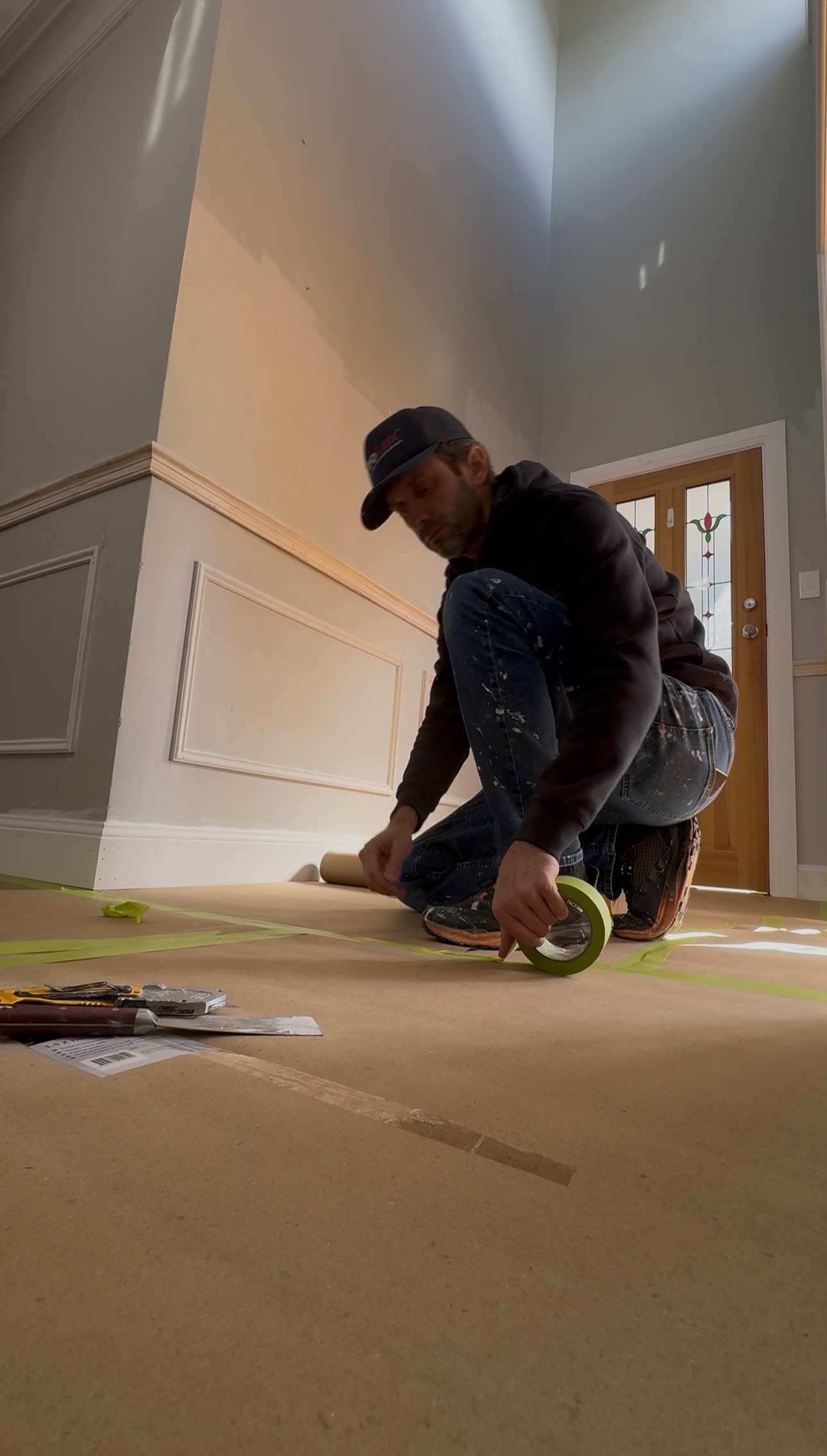
Interior painting is generally more about finish quality and protection of your belongings — careful masking, clean lines and minimal disruption. Exterior painting adds the challenges of weather, height and durability, so it leans more heavily on preparation and premium, weather-resistant products.
On coastal and Eastern Suburbs homes in particular, salt air and sun exposure make product selection and surface prep critical. It's one reason exterior quotes vary so much between painters.
Why the Cheapest Quote Often Costs More
It's tempting to choose the lowest number, especially on a large project. But a suspiciously cheap quote usually signals one of a few things:
- Minimal preparation — the finish may look fine for a season, then fail.
- Cheaper paint — fewer years of protection and a faster repaint.
- Fewer coats — patchy coverage and uneven colour.
- Unclear scope — "extras" appear once the job is underway.
A premium finish done once, properly, almost always works out cheaper over the life of your home than a budget job repeated every few years.

Luxury Exterior Repaint — St Ives
See how thorough preparation and premium products transformed a weathered family home — and why the investment protects it for years to come.
View the Case StudyHow to Compare Painting Quotes Properly
When you have two or three quotes in front of you, compare the scope, not just the price. A quality quote should clearly set out:
- The exact surfaces and areas included.
- The preparation work to be carried out.
- The products and number of coats.
- The timeline and who will be doing the work.
- Warranty, licensing and insurance details.
If a quote is a single line and a number, ask for the detail. Reputable painters are happy to explain exactly what you're paying for.
How to Get Better Value (Without Cutting Corners)
Getting value isn't about finding the cheapest painter — it's about spending wisely:
- Bundle work — combining interior and exterior, or doing the whole home at once, is often more efficient than piecemeal jobs.
- Address repairs early — fixing small issues before they worsen keeps prep costs down.
- Invest in product where it counts — especially on exteriors and high-traffic areas.
- Choose a painter you can communicate with — clear scope and good communication prevent costly surprises.
Always get an on-site quote rather than a phone estimate for anything beyond a single room. A painter who visits can spot the preparation and repair work that determines the real cost — so your quote actually holds.
Planning a specific project? Explore our services:
Frequently Asked Questions
As a general guide, interiors last around 5–10 years and exteriors around 5–8 years, depending on exposure, surfaces and the quality of the original work. Proper preparation and premium products noticeably extend this.
Leading trade-grade brands such as Dulux and Taubmans consistently perform well. More important than the brand alone is choosing the right product for each surface and condition — which is where professional advice pays off.
Yes. Extreme heat, cold, humidity and rain all affect how paint applies and cures, particularly on exteriors. A professional painter plans the schedule around suitable conditions to protect the finish.
Absolutely — it's the foundation of a lasting finish. Cleaning, sanding, filling, repairing and priming ensure the paint adheres properly and looks flawless. Skipping prep is the most common cause of premature failure.
With proper preparation and premium products, a quality interior finish can look excellent for 8–10 years and a well-protected exterior for 6–8 years or more, depending on exposure and maintenance.
Yes. ProLux provides free, obligation-free written quotes after an on-site consultation, so you know exactly what's included and what it costs — with no hidden surprises.


